Web design trends do more than make websites look modern. They influence how visitors read content, interact with pages and decide whether to trust your brand.
Three design trends have shaped modern UI in recent years: Glassmorphism, Neumorphism and Minimalism. Each creates a different visual experience and affects usability, performance and conversions in its own way.
But which one should you use on your website?
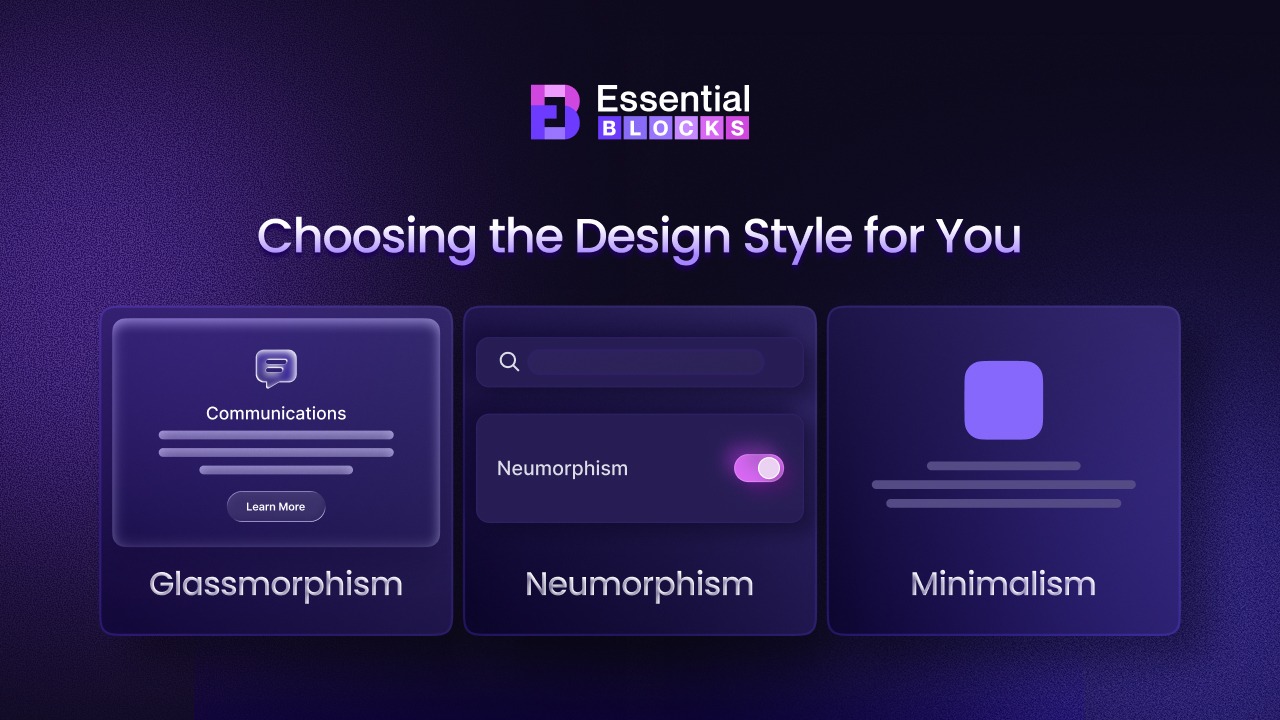
Glassmorphic websites use frosted layers and blur for depth. Neumorphic websites add soft, tactile surfaces. Minimalist graphic design focuses on clarity with white space and simple typography. Each has its characteristics and the right choice depends on your website’s goals.
Thanks to the modern WordPress ecosystem, plugins like Essential Blocks for Gutenberg make these design trends practical to implement. With 70+ blocks and features like the Liquid Glass Effect, these website trends are no longer just theoretical. You can build your site following website design trends all by yourself.
By the end of this blog, you will know how to pick the right web design, get practical WordPress tips using Essential Blocks and have a simple plan to put it all into action.
Quick Summary (TL;DR)
| Design Trend | Visual Style | Strength | Best For | Difficulty | Risk |
| Glassmorphism | Frosted glass layers | Strong visual hierarchy | SaaS, dashboards | Medium | Contrast issues |
| Neumorphism | Soft shadows | Tactile feel | Tools, apps | Medium | Accessibility challenges |
| Minimalism | Clean layout | Clarity & speed | Blogs, eCommerce | Easy | Can feel generic |
How Website Design Trends Impact Conversions
Website design trends have a role to play in how well your site converts. Trends evolve when user behavior, technology constraints, business goals and cultural expectations collide. What survives performs. What does not die out. Design converts based on how well it balances aesthetics with usability, speed with clarity. Poor execution, like low contrast or slow loading, can drive away 38% of visitors.
Glassmorphism can increase perceived sophistication and engagement through layered visuals, but if readability suffers, conversions can drop. Neumorphism improves UX in simple, focused interfaces by encouraging tactile interaction. Minimalism consistently performs best for conversions, thanks to fast load times, high readability and clear CTAs.
Below, we list three important avenues that impact conversion and how website design trends are relevant for each.
💠 Usability & Trust: Clean trends like minimalism build credibility (75% of visitors judge businesses by design), guiding eyes to CTAs without distraction.
💠 Performance: Minimalist designs load faster, improving conversions. Glassy effects need optimization to avoid slowdowns.
💠 Engagement: Trends with subtle interactivity (neumorphic shadows, glass overlays) enhance micro-interactions, improving hierarchy and user flow for higher actions.
| Website Design Trend | Conversion Strength | Potential Pitfall |
| Glassmorphism | Hierarchy draws attention to key elements | Blur/low contrast reduces legibility |
| Neumorphism | Tactile feel boosts interaction | Low contrast harms accessibility |
| Minimalism | Clarity and speed prioritize conversions | Can seem bland without strong accents |
Exploring the Latest Web Design Trends: Glassmorphism, Neumorphism, Minimalism
In this section, we dissect the key features, strengths and best use cases of Glassmorphic websites, Neumorphic websites and Minimalist graphic design, helping you understand how each style works and when to use it effectively. Let us dive deep into what each website design trend looks like, the pros and cons for each and how you can go about achieving each style on WordPress using Gutenberg blocks.
Glassmorphism: Depths of Frostiness
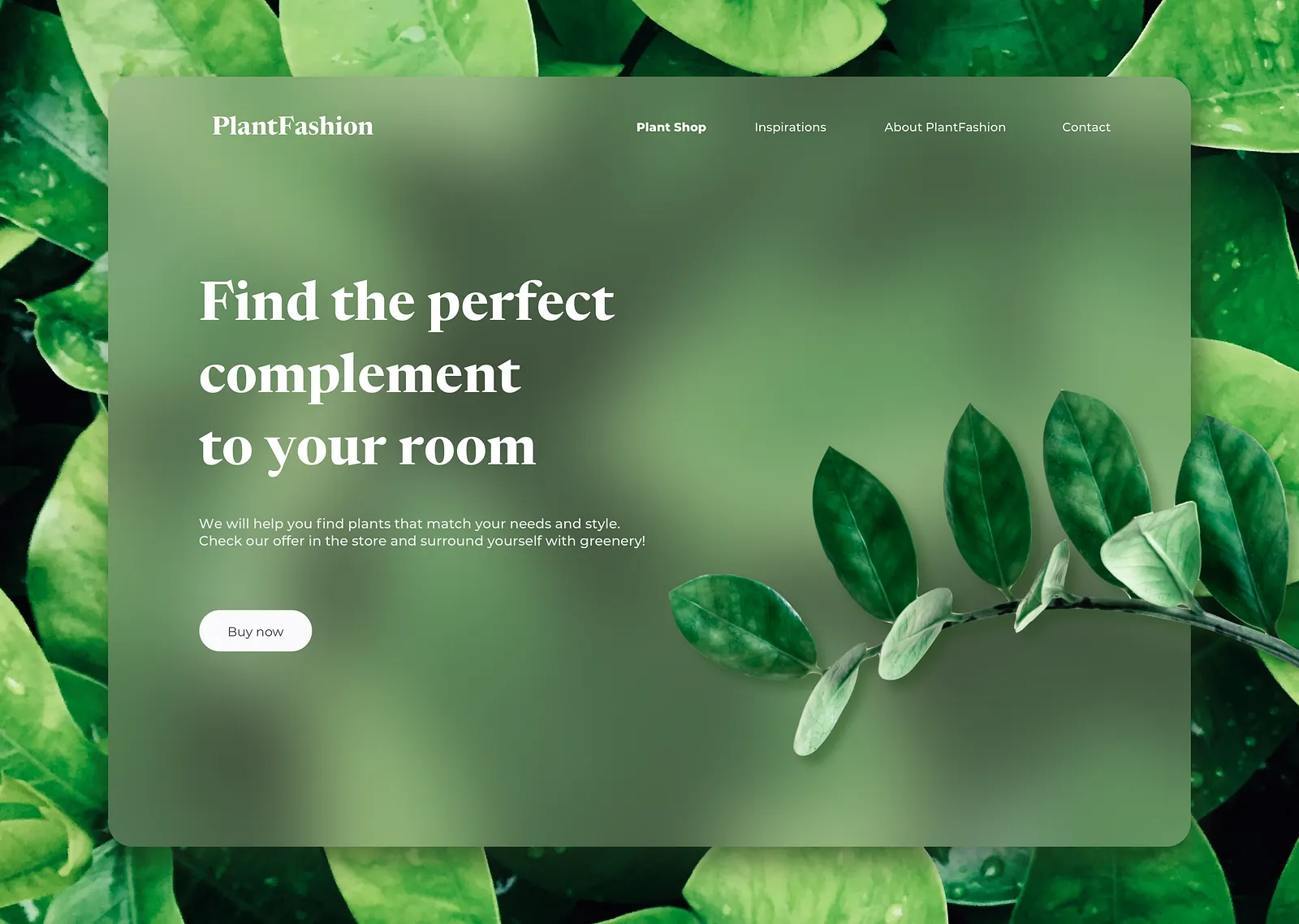
Glassmorphism mimics the look of frosted glass, using translucent, semi-transparent cards with backdrop blur, subtle thin borders and soft highlights. Elements appear to float in layered stacks over vibrant gradients or bold backgrounds, creating depth and a modern, ethereal vibe.
Source: Aneta Romankiewicz
Glassmorphic websites are visually striking and modern. This style is a strong contender for hero sections, dashboards and brand-focused visuals. But accessibility can be compromised if contrast is mishandled and the style quickly becomes noisy if overused. Glassmorphism benefits websites that need a futuristic polish.
Building a Glassmorphic Website in WordPress Using Essential Blocks
To build a glassmorphic website in WordPress using Essential Blocks, start with Row or Wrapper blocks to define your layout. Apply the Liquid Glass Effect to cards, CTAs and feature sections. Fine-tune the blur, depth and background settings directly within each block to achieve the desired glass-like look.
Neumorphism: Design that Feels Tangible
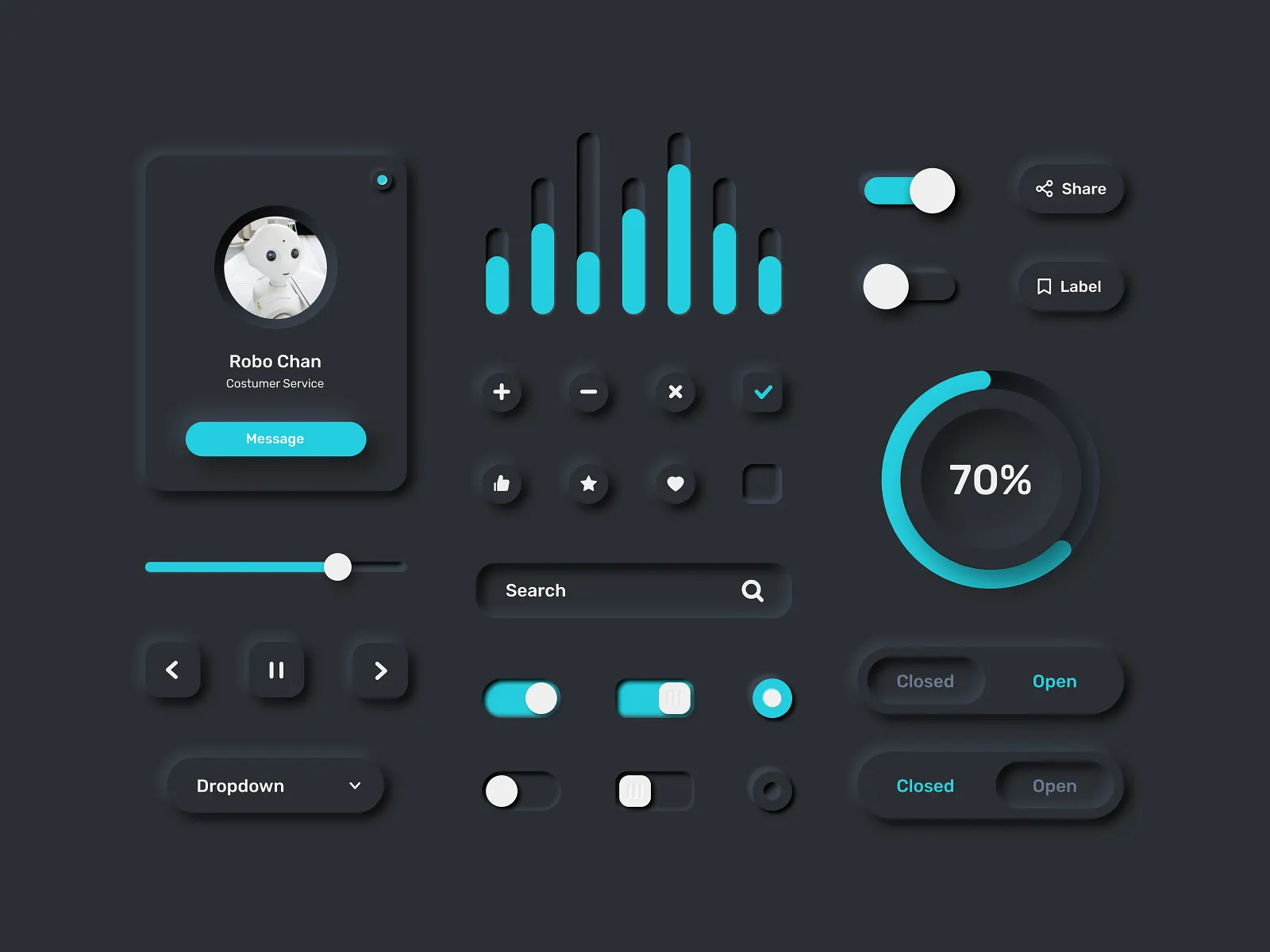
Neumorphic websites use soft, extruded surfaces, mono or pastel palettes and UI elements that feel tactile and molded rather than flat. Subtle inner and outer shadows, combined with gentle highlights on uniform, low-contrast backgrounds, create buttons and cards that appear embossed into the surface to produce a cozy depth without harsh edges.
Source: Kevin Al-Rizal
It conveys a calm, distinctive, mood-driven style and works well for focused tools and simple interfaces. Low contrast can hurt accessibility, and it is a poor fit for content-heavy or data-dense layouts. Neumorphism benefits wellness tools, simple apps, concept UIs and minimalist product dashboards.
💬 Note: Neumorphism works best as an accent, not as a full design system.
Building a Neumorphic Website in WordPress
This one is a little tricky, as building an accurately Neumorphic website using block builders alone will not yield the best results. The core of Neumorphism lies in dynamic shadows that create tangible depth—something difficult to achieve with block builder sliders alone. In this case, using custom CSS might be a wise choice if you are planning more intensive design work.
However, if you want the feel of Neumorphism on small elements like CTA buttons, without the full depth and precision, you can achieve it by applying soft background colors, subtle inner and outer shadows, rounded corners and low-contrast color palettes.
Minimalism: Quiet by Intention
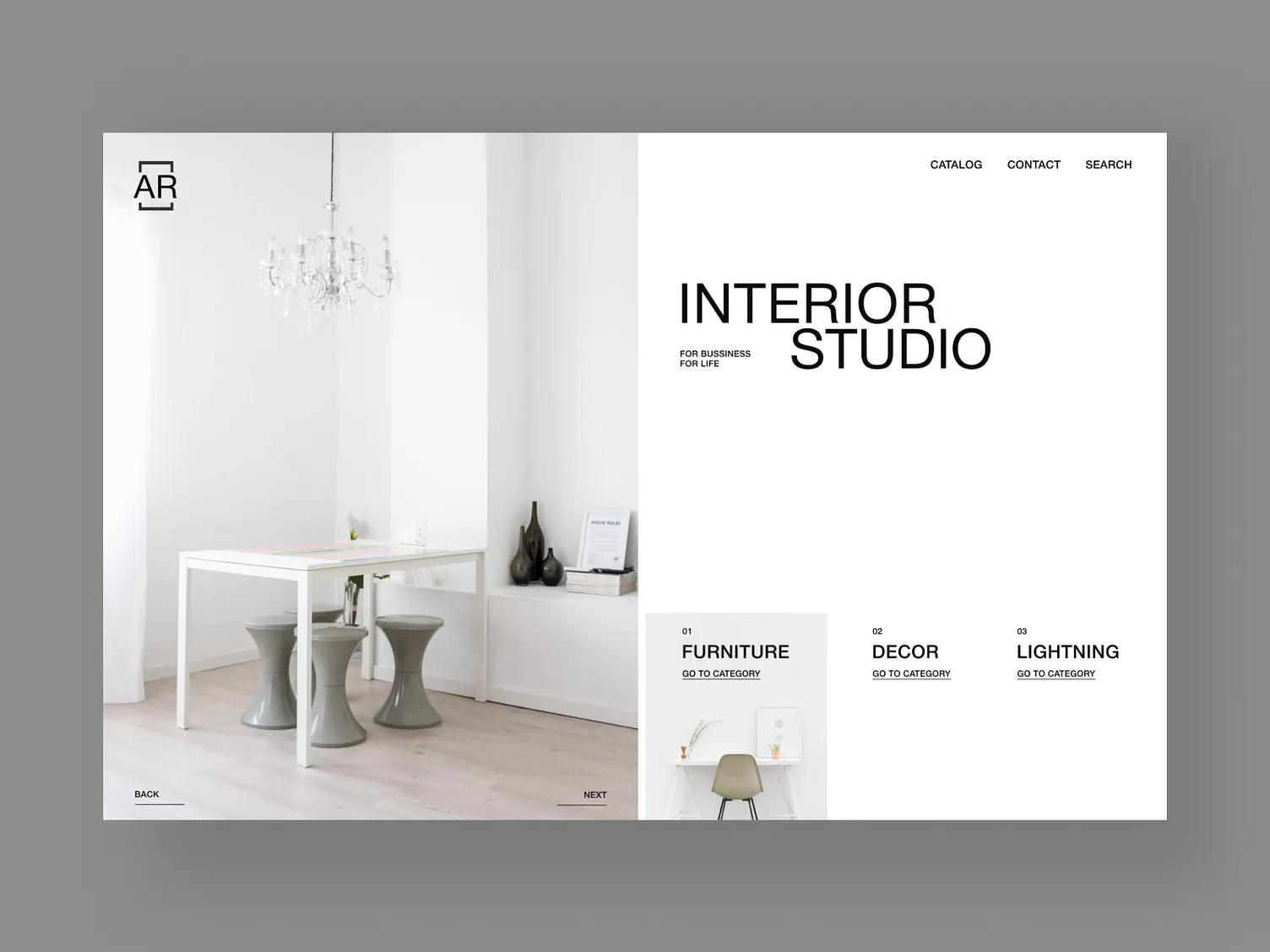
Minimalism features clean grids, negative space, simple iconography and neutral palettes with one accent color. Minimalist graphic design employs clean grid layouts, generous negative space (white or colored), simple line icons or flat graphics and neutral palettes (grays, whites, blacks) accented by a single bold color. Typography is usually sans-serif and hierarchical, focusing on content clarity without embellishment.
Source: Anna Beketova
Minimalist graphic design is highly readable and accessible, fast-loading, future-proof and conversion-friendly. However, it can feel generic if brand personality is weak and may sometimes come across as “too empty.” But it works well for blogs, eCommerce sites and content-heavy, conversion-driven websites.
Building a Minimalist Website in WordPress Using Essential Blocks
To build a minimalist website in WordPress using Essential Blocks, start with the core stack: Row, Heading, Paragraph, Image or Advanced Image, Post Grid and Table of Contents. Turn off decorative effects, focus on spacing, typography and hierarchy, and optimize for speed, clarity and scannability.
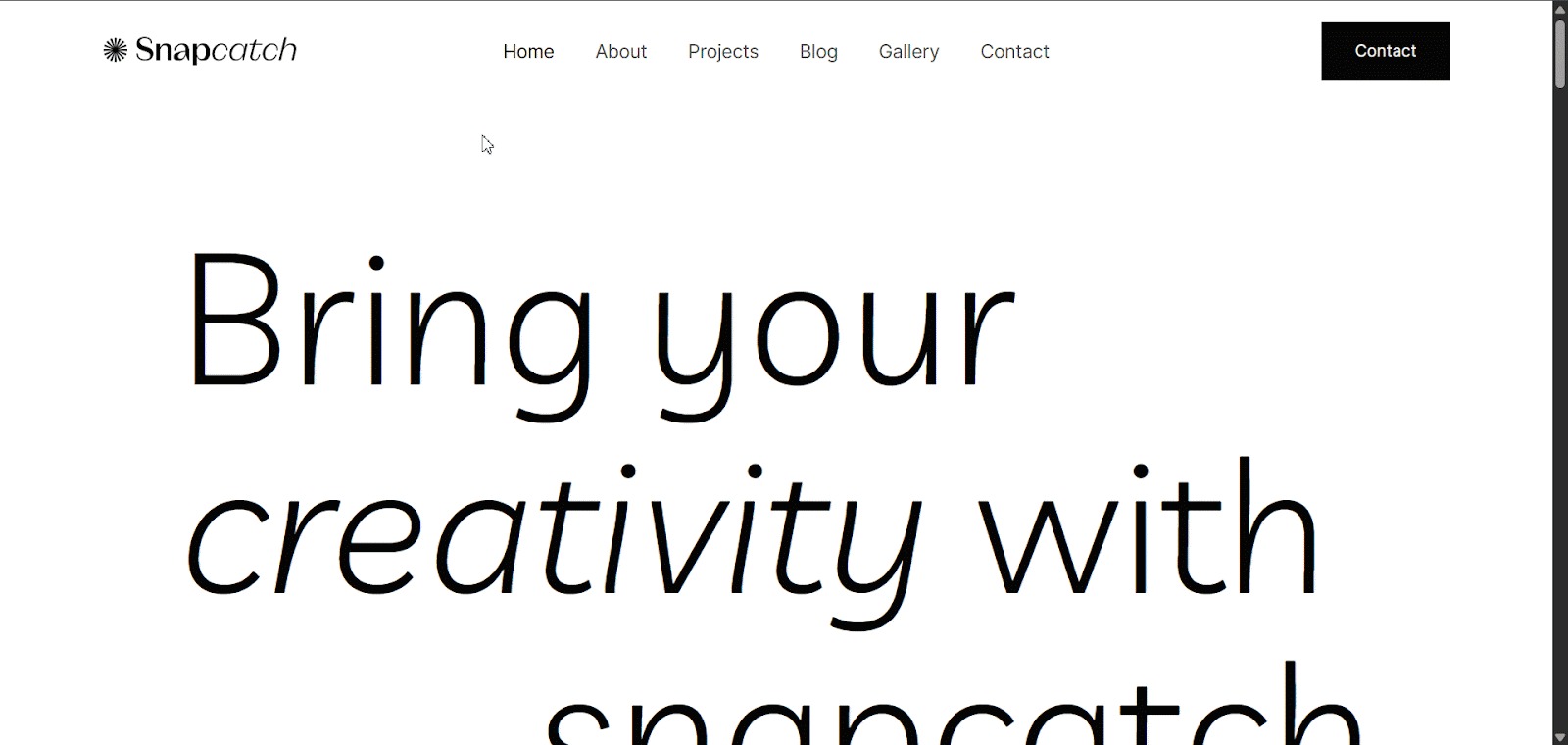
Snapcatch is an excellent example of Minimalism. This landing page was created following Minimalist graphic design principles, using Essential Blocks. It demonstrates how you, too, can build a full-fledged site using a variety of blocks and features. Plus, if you are really drawn to Minimalism and like this template, you can use the Snapcatch template to create your site directly from the Templately Library.
| Glassmorphism | Neumorphism | Minimalism |
| This style uses frosted-glass transparency, layered depth and blur effects, often set against vibrant or gradient backdrops. It is visually striking and creates a modern, high-impact hierarchy. | Characterized by soft, tactile “soft UI,” Neumorphism employs subtle shadows and highlights that make interface elements feel molded rather than flat. It conveys a calm, crafted aesthetic. | Minimalism strips layouts down to the essentials, emphasizing white space, simple typography, and functional clarity. The focus is on readability, usability and fast-loading, conversion-friendly designs. |
⭐ Glassmorphism wows. Neumorphism feels. Minimalism just works. ⭐
A Simple Decision Framework to Choose the Website Design Trend For You
Deciding which website design trend is right for you depends on several strategic decision factors, not simply personal taste, though that is important too. Considering the following factors helps ensure the web design trend you choose supports your business goals, serves your users effectively and is practical for you.
By Business Goal
Your choice of design trend should align directly with what your website needs to achieve. Business goals are the specific outcomes your site aims to accomplish such as increasing conversions, building trust or strengthening brand presence. They define the strategic purpose behind every design decision and guide how users interact with your site.
🎯 Goal: Build trust, ensure clarity, drive conversions
Use clean, minimal layouts with clear hierarchy for distraction-free navigation.
🎯 Goal: Create visual differentiation and strong brand impact
Use Glassmorphism selectively in key sections. Frosted-glass layers and floating cards highlight hero sections, featured products or brand storytelling areas.
🎯 Goal: Convey a cozy, tactile, or crafted feel
Apply Neumorphism sparingly on primary controls or interactive elements with soft, extruded buttons and cards to enhance depth without compromising usability.
By UX & Accessibility
User experience and accessibility should always guide design decisions. Ensure that users can easily and enjoyably interact with your site. Accessibility requires that all users (including those with disabilities) can access and understand your content. Together, they guide design decisions that make your site usable, inclusive, and effective.
🎯 Goal: Ensure content is accessible to the widest audience
Be more minimal and use high contrast, readable typography and uncluttered layouts.
🎯 Goal: Layer in advanced effects without harming usability
Use Glassmorphism or Neumorphism as accents only; maintain strong contrast, legible text and simple navigation.
By Implementation Effort
Practicality matters. Implementation effort refers to the time, resources and technical complexity required to build, maintain and scale a design. Understanding this helps you choose styles that balance visual impact with feasibility and long-term sustainability.
🎯 Goal: Easy to build, maintain and scale
Follow Minimalism for clean layouts and standard blocks, reducing ongoing maintenance and future-proofing.
🎯 Goal: Achieve sophisticated visual effects
Glassmorphism and Neumorphism require precision with transparency, blur, and shadows; test carefully and balance aesthetics with functionality.
The Essential Blocks Advantage
Using Essential Blocks for Gutenberg simplifies the process across these website trends. With 70+ prebuilt blocks, advanced styling controls integrated natively, you can achieve complex visual effects without relying on third-party page builders, though for some styles more than others, custom CSS knowledge is useful. This makes it faster to prototype, test, and scale designs, ensuring your chosen trend delivers real business impact instead of just looking pretty.
Practical Website Design Trend Hybrids You Can Create on WordPress
A website is a cauldron of many ingredients. It does not simply highlight one thing; rather, it is a robust catalogue of all that your business is and does. Similarly, you need not be bound to a single design style. In fact, when you have a large website, relying on just one trend can make it feel heavy, repetitive or visually monotonous.
When mixing and matching different website design trends, the key is to be clever. Ensure a cohesive blend that respects brand guidelines, maintains style consistency and prioritizes usability.
Glassmorphic SaaS Hero
For hero sections that need to wow and draw attention, Glassmorphism works beautifully. Use a Row or Wrapper block for the layout, then apply the Liquid Glass effect to your hero card. Incorporate Advanced Image or Video blocks for product visuals, and place a clean Button block for your call-to-action. This combination creates a futuristic, layered hero section that feels polished without overwhelming the user.
Neumorphic Feature Panel
To highlight key features or tools with a tactile feel, Neumorphism adds subtle depth. Use an Infobox or Feature/Card block, apply rounded corners and soft shadows and keep the surrounding Row background minimalist. This creates a calm, mood-driven interface where functional elements feel crafted and approachable, without cluttering the page.
Minimalist Blog Or Resource Hub
For content-heavy sections, Minimalism keeps things clean and scannable. Combine Post Grid blocks with a Table of Contents, Advanced Tabs and Form blocks to organize information efficiently. The result is a structured, conversion-focused layout that emphasizes readability, speed and clarity.
In practice, audit your current site and choose one primary design style. Even if you plan to follow a hybrid approach, there should be one dominant trend guiding your design. Test the effects on smaller components, such as buttons and observe how your audience responds. Use UTM codes in your links for new designs to track metrics and only proceed with a full redesign once the results justify it.
Which Website Design Trend Calls to You Most? Experiment, Try Them Out
Each design trend offers something unique. Glassmorphism adds modern depth and visual impact, Neumorphism creates a soft, tactile interface, and Minimalism prioritizes clarity, speed and conversions. The right choice depends on your website’s goals, audience and usability needs. In many cases, a balanced mix of these styles works best.
With Essential Blocks for Gutenberg, you can easily experiment with these trends directly in WordPress and see what works best for your site. Ready to try it out?
Install Essential Blocks for Gutenberg, pick a primary trend and build one section using the recommended block combination. Then A/B test it against your current design. Website design trends can significantly influence real business outcomes.
Focus on building what you can ship, test and scale. Curious for more ideas and design inspiration? Explore our blogs for detailed setup guidance. Also, be sure to join our Facebook community of WordPress enthusiasts just like you!
FAQ
What is Glassmorphism in web design?
Glassmorphism is a modern design style that mimics the appearance of frosted glass. It uses translucent layers, background blur, subtle borders, and vibrant backgrounds to create a sense of depth. This style is commonly used in hero sections, dashboards and modern SaaS interfaces.
What is Neumorphism in UI design?
Neumorphism is a design trend that creates soft, tactile interface elements using subtle shadows and highlights. Buttons and cards appear slightly raised or embedded into the background, giving them a molded or “soft UI” look. It works best in simple interfaces such as apps, tools, or product dashboards.
Why is minimalist web design popular?
Minimalist web design focuses on simplicity, clear typography, and generous white space. It improves readability, reduces page load time, and helps users focus on important elements like calls to action. Because of these benefits, minimalist design often performs well for blogs, landing pages, and eCommerce websites.
Which web design trend is best for conversions?
Minimalism generally performs best for conversions because it prioritizes clarity, speed, and strong visual hierarchy. However, Glassmorphism and Neumorphism can still be effective when used strategically to highlight important sections or interactive elements.
Can you combine multiple website design trends on one site?
Yes. Many modern websites use a hybrid approach. For example, a site might use a minimalist layout for most pages while adding Glassmorphism effects in hero sections or Neumorphic styling for buttons and cards. The key is maintaining visual consistency and usability.
How can I create these design trends in WordPress?
You can implement these styles in WordPress using Gutenberg blocks and advanced styling tools. Plugins like Essential Blocks for Gutenberg provide customizable blocks, effects like Liquid Glass, and layout controls that help you recreate Glassmorphism, Neumorphism, or minimalist designs without complex coding